
What Is A Heat Pump Water Heater?
Your Complete Guide
If you're looking for ways to lower your energy bills, heat pump water heaters might be worth considering. These systems work differently from regular water heaters and can save you money over time.
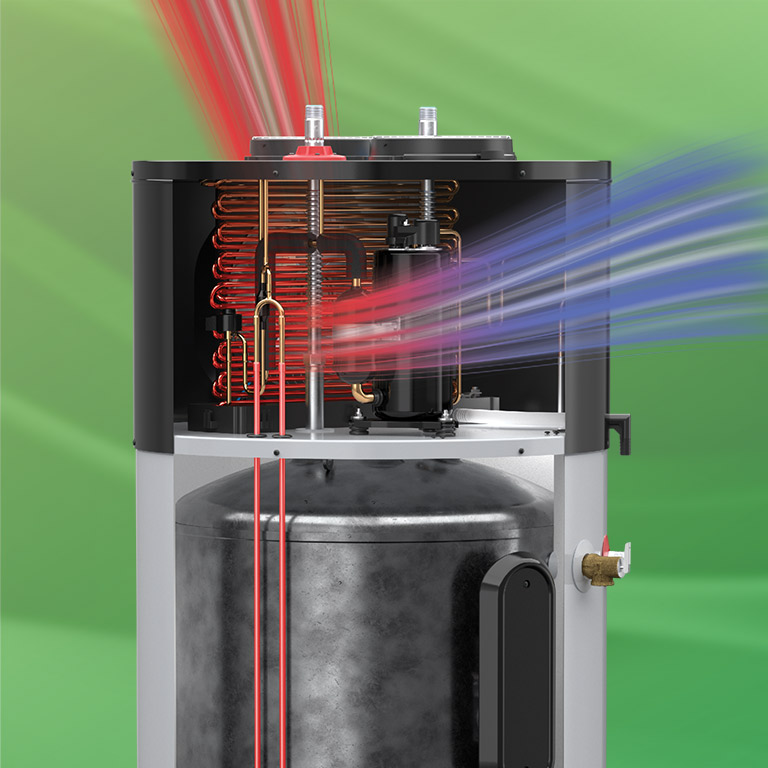
A heat pump water heater takes heat from the air around your water heater and moves it into your water tank. Think of it like a refrigerator working backwards. Heat pump water heaters are 3 to 4 times more efficient than standard electric water heaters and can cut your costs by up to 70%.
These units work in most spaces and are actually quieter than most dishwashers. As a bonus, they help cool and dry the air around them during summer. With federal tax credits available for heat pump water heaters (up to $2,000) ending December 31, 2025, it's a good time to learn more about this technology.
Need help with heat pump water heater installation? Connect with a certified plumber near you who knows these systems inside and out.

Water Heater Selector Quiz


Need Help From A Pro?
A. O. Smith water heaters are professionally installed by local independent contractors.
How Heat Pump Water Heaters Work

The technology might sound fancy, but it's pretty simple once you understand what's happening.
The "Reverse Refrigerator" Process
Your refrigerator takes heat out of the inside to keep your food cold. A heat pump water heating system does the opposite—it uses heat from outside and puts it inside your water tank.
Here's what happens step by step:
- Air Comes In: A fan pulls air from around the water heater.
- Heat Gets Captured: A special fluid called a refrigerant pulls heat from the air and turns into a vapor. This causes the refrigerant to change from a liquid to a vapor.
- Heat Concentrates: A compressor squeezes the refrigerant to make it even hotter.
- Heat Transfers to Your Water: The hot refrigerant flows around coils in your water tank, transferring the heat to your water.
- The Cycle Continues: The refrigerant cools down, turns into a liquid, and goes back to grab more heat.
This process uses only a little electricity to run the fan and compressor. That's what makes these water heaters save so much money.

How Heat Pump Water Heaters Differ from Traditional Electric Water Heaters
Regular electric water heaters and heat pump water heaters both give you hot water, but they use different heating methods. Electric water heaters have heating elements inside the tank that work like toaster coils. When you turn on the hot water, electricity makes these parts hot, and they heat up your water. Heat pump water heaters grab heat from the air around them and put it into your water tank. Heat pump water heaters also include backup heating elements that automatically kick in during periods of high demand or when temperatures drop below 37°F, ensuring you always have hot water when you need it.
Both types give your family the hot water you need. Your choice depends on your space, how much you want to spend up front, and how much you want to save on your monthly electric bill.
A plug-in heat pump water heater might be the right choice if you want a simple installation without electrical upgrades.
Situations Where Heat Pump Water Heaters Make Sense
Once you understand how much heat pump water heating systems can save you, it's easy to see why more people are switching.
Energy Efficiency and Cost Savings
The numbers speak for themselves when it comes to saving money:
- Average Savings: $600 per year.
- 10-year Total: $6,000.
- Real Example: Bills drop from $800-900/year to $200-300/year.
Through the end of 2025, you can get up to $2,000 back on your taxes when you install one. Many local utility companies also offer rebates for ENERGY STAR®-certified models. Visit our Rebate Center to find rebates and tax credits available for heat pump water heaters.
Environmental Impact
Heat pump water heaters use 70% less electricity than conventional electric water heaters, which means less power is used from the electric grid. As your power company adds more solar, wind, and nuclear energy, your water heater automatically becomes even more environmentally friendly. This also helps keep electricity costs stable for everyone in your area because less overall power demand means less strain on the system.
Long-Term Performance and Durability
These systems last a long time—usually 12 to 15 years with proper maintenance. Most come with a 10-year warranty, and they have backup electric heating elements that kick in when you need extra hot water fast.
The smart features will send alerts to your phone if something needs attention. This backup setup keeps hot water flowing even during really cold weather or when everyone in the house showers at once.
The disadvantages of heat pump water heaters are easily outweighed by the long-term savings and efficiency benefits they provide, but learn about what to consider before making the switch.
Rebates & Tax Credits
Rebate and incentive programs provide savings to consumers for the purchase of water heaters that meet certain energy efficiency standards.
Use A. O. Smith's Qualified Manufacturer (QM) code A5X5 for federal tax return form 5695.

Need Help From A Pro?
A. O. Smith water heaters are professionally installed by local independent contractors.
Installation Requirements and Considerations
Installing a heat pump water heater is pretty straightforward if you know what to expect.
Space and Ventilation Needs
Heat pump water heaters need room to breathe. The unit pulls in air and blows out cooler air while it works.
- Minimum Space: 450 cubic feet of air space around the unit.
- Best Locations: Basement, garage, or large utility room.
- For Smaller Spaces: Ducting kits available to bring in air from other rooms.
Good airflow keeps the system running well and quietly. When the unit has plenty of air to work with, it uses less energy and lasts longer.
Electrical Requirements and Professional Installation

A. O. Smith offers two main options for heat pump water heater installation:
Plug-In Models
- Voltex® 120V Plug-In series plugs into regular 120V wall outlets.
- Work with your current electrical setup.
- Available in 50, 66, and 80-gallon sizes.
Premium Models
- ProLine XE® Voltex® and Voltex® MAX series offer advanced features.
- Requires a professional 240V electrical connection.
- Include smart technology and premium valve options.
Getting a professional installer is important. They'll check if your electrical setup can handle the unit, set up water drainage, make sure air can flow properly, and show you how to use the smart controls and register your warranty.
Climate Considerations (Winter Performance)
Heat pump water heating systems work well in most weather conditions throughout the year.
- Optimal Performance Range: Heat pumps work most efficiently when ambient air temperatures are between 37°F and 120°F. Within this range, the heat pump operates at peak efficiency, using 70% less electricity than standard electric water heaters while providing reliable hot water.
- Cold Weather Performance (Winter): When temperatures drop below 37°F, or when water temperature averages below 55°F, backup heating elements automatically activate to ensure continuous hot water delivery. This hybrid system means you never lose hot water, even during the coldest days. You still benefit from heat pump efficiency most of the time, with electric backup only during extreme cold.
- Warm Weather Performance (Summer): During warmer months, heat pumps work even more efficiently because there's more heat available in the surrounding air. As a bonus, the unit releases cool, dehumidified air into the space around it, which can help keep your basement or garage more comfortable during summer.
- Sizing Considerations: Some homeowners choose to size up their heat pump water heater to minimize backup element usage. For example, if a household of 4-5 people currently uses a 50-gallon standard electric water heater, upgrading to a 66-gallon heat pump model provides additional capacity that reduces the frequency of backup element activation while maintaining energy efficiency.
The Perfect Time to Switch: Limited Window for Maximum Savings
For homeowners with standard electric water heaters, this year presents a unique opportunity to upgrade.
Federal Tax Credits End December 31, 2025
Right now, you can get up to $2,000 back on your taxes when you install a heat pump water heater before December 31st. That's 30% of what you spend on the total standard project cost up to $2,000. When you file your taxes, you'll need your Qualified Manufacturer's (QM) code for Form 5695. A. O. Smith's QM code is A5X5.
2029 Regulations Make Heat Pumps Mandatory
Starting May 6, 2029, homeowners with electric water heaters over 35 gallons won't be required to replace their existing units immediately. When those water heaters eventually fail or need replacement, heat pump technology will be the only option available. Installing a heat pump water heater now helps you:
- Upgrade now to avoid waiting months for a heat pump when your water heater breaks and supplies are limited.
- Lock in current prices before increased demand drives costs higher.
- Choose from all available models instead of whatever's left when inventory gets tight.
- Enjoy an average yearly savings of up to $600 or more when you upgrade from a standard electric water heater.
Rebates & Tax Credits
Rebate and incentive programs provide savings to consumers for the purchase of water heaters that meet certain energy efficiency standards.
Use A. O. Smith's Qualified Manufacturer (QM) code A5X5 for federal tax return form 5695.
Need Help From A Pro?
A. O. Smith water heaters are professionally installed by local independent contractors.
A. O. Smith Heat Pump Water Heaters: Leading the Energy-Efficient Future
A. O. Smith has been making water heaters for over 85 years, and our Voltex® series heat pump water heaters are some of the most efficient and reliable systems available. We started investing in heat pump technology early, which means proven performance you can count on.
Our trained installers across the country know A. O. Smith products inside and out, and our warranty coverage backs up everything we make. Whether you're replacing an old water heater or planning ahead, we've got the experience and technology you need.
Ready to start saving? Use our residential water heater sizing selector or find a qualified plumber near you for professional installation.
Frequently Asked Questions
A heat pump water heater is a system that grabs heat from the air around it and moves that heat into your water tank. This process uses much less electricity than creating heat from electric heating elements, which saves you money on your electric bills.
Heat pump water heaters typically last 10-15 years with proper maintenance. Most come with a 10-year warranty, and smart monitoring features help catch issues early so your system keeps running properly and efficiently during its lifespan.
Heat pump water heaters are worth it for most homeowners because they can save you an average of around $600 per year on electricity costs. With federal tax credits available through 2025 and long-term savings of up to $6,000 over ten years, they typically pay for themselves.
If sized correctly, it won't run out of hot water with a heat pump water heater. These systems also include backup electric heating elements in the rare case that you use more than planned. When demand is high or temperatures drop below 37°F, the backup heating elements automatically kick in to ensure you always have hot water.