
How Much Is An Electric Tankless Water Heater?
Electric tankless water heaters heat water the moment you turn on the tap, so you're not wasting energy keeping a big tank hot around the clock. The price you'll pay depends on the size you need, your home's electrical setup, and any upgrades required before installation.
No Wasted Energy

Electric tankless water heaters only heat water when you're actually using it, eliminating wasted energy from keeping a tank hot all day. These compact units don't need venting like gas models and fit in tight spaces throughout your home.
Professional installation by a licensed electrician ensures safety and protects your warranty. Depending on your home's electrical capacity, you may need panel upgrades or new circuits to support the unit's power requirements.
What Changes Electric Tankless Water Heater Costs
A few thins affect electric tankless water heater costs. The unit itself is just the starting point. Your electrical panel, where you're putting it, and what your household needs all play into the final number.
Point-of-Use vs. Whole-Home Systems
Small point-of-use units go under a single sink or serve one bathroom. These work great when you need hot water at a specific spot but don't want to wait for it to travel from your main water heater across the house. Whole-home electric tankless systems cost more because they handle multiple fixtures at once.
An electric tankless water heater in a small apartment looks different from one sized for a house where people might shower, run the dishwasher, and do laundry at the same time.
Cold climates make your water heater work harder. Groundwater coming into your house in Minnesota during January is much colder than what flows through Florida pipes. Your tankless system has to heat that cold water to a comfortable temperature.
Curious about energy savings? Learn how much electricity tankless water heaters save for your home.
Features That Add to Electric Tankless Water Heater Costs
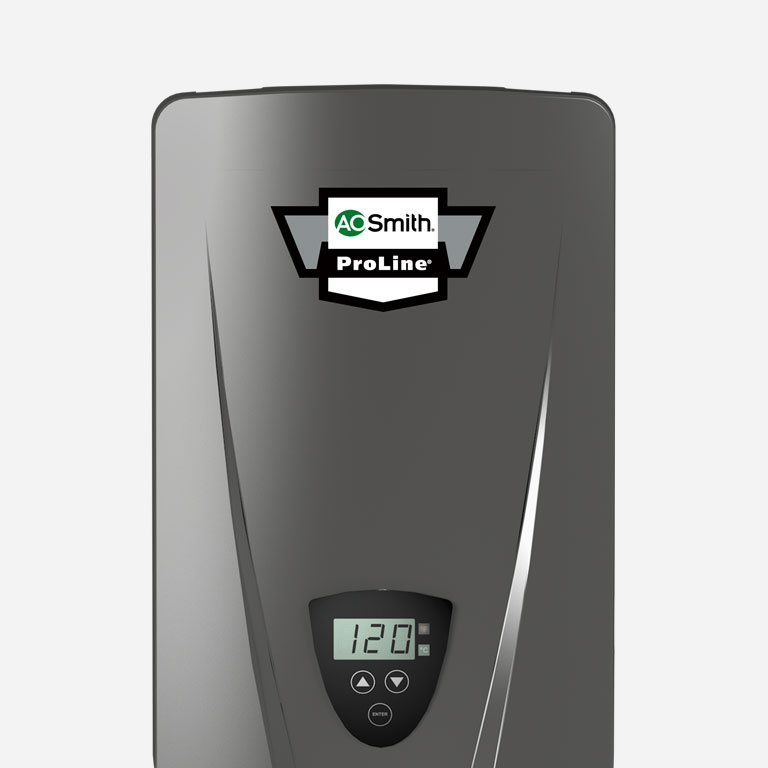
Different electric models come with different capabilities that influence the purchase price. Some features solve specific problems while others make the system easier to use and maintain:
- Digital Temperature Display: Shows your current temperature setting and operation status, making adjustments simple and helping spot basic problems without calling a technician.
- Scale Detection Technology: Warns you when minerals are building up inside the unit, catching issues early before they hurt performance.
- Soft Start Technology: Reduces the electrical draw when the unit powers on, preventing your lights from dimming every time the water heater kicks in.
Your Home's Electrical Situation
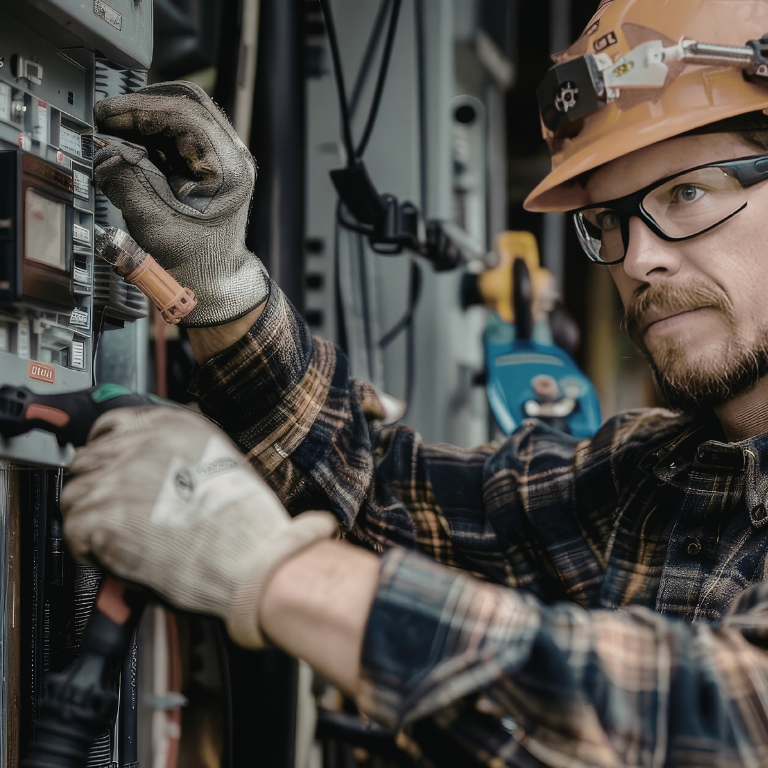
Here's where costs can jump. Electric tankless water heaters need a lot of power—much more than most things in your house. Many homes need electrical work before you can even install one.
Older houses might need their main electrical panel upgraded. This involves getting your utility company involved and having electricians work on your property for a full day or more.
Even if your panel can handle the load, you may need new circuits run from the panel to the location of the home water heater.
Running wires through finished walls costs more than routing them through an unfinished basement or crawl space. How far the water heater sits from your electrical panel also matters. A short run with easy access costs less than snaking wires a long distance through tight spaces or finished rooms.
Confused about sizing or whether your home can support an electric tankless system? Use our residential water heater selector to get personalized recommendations based on your household size, existing utilities, and space requirements.

Water Heater Selector Quiz


Need Help From A Pro?
A. O. Smith water heaters are professionally installed by local independent contractors.
Getting Your Electric Tankless Installed
Professional installation is required for safety and warranty protection. Licensed electricians handle the high power demands and ensure everything complies with local codes.
Why You Need a Licensed Electrician
Electric tankless water heaters pull serious power. Getting the wire size wrong or using the wrong breaker creates fire hazards. Licensed electricians calculate these requirements based on your specific model and local codes.
Manufacturer warranties require professional installation. Attempting DIY installation voids your warranty, leaving you without coverage if problems occur. Professional installers also pull necessary permits and coordinate inspections to verify code compliance.
Electrical Upgrades That Might Be Needed
Your home's current electrical system determines what upgrades you'll need before installation. Whole-home electric tankless models demand dedicated circuits with substantial power capacity that many older homes simply don't have:
- Main Panel Upgrade: Replacing your electrical panel to handle the increased load, which requires utility company coordination and typically takes a full day of work.
- New Dedicated Circuits: Running heavy-duty wiring from your panel to the water heater location, with costs varying based on distance and accessibility.
- Service Line Upgrade: Increasing the electrical service from the street in homes where even a new panel can't provide enough capacity, potentially requiring trenching through your yard.
Permits Keep Everything Legal and Safe
Building permits are required for water heater installations in most areas. Your installer handles permits and ensures the work passes both electrical and plumbing inspections required by local codes. Experienced installers familiar with local requirements usually pass inspections the first time, avoiding delays and additional costs.
Some neighborhoods have homeowners' association rules beyond standard building codes. Check HOA requirements before installation to avoid complications.
Rebates & Tax Credits
Rebate and incentive programs provide savings to consumers for the purchase of water heaters that meet certain energy efficiency standards.
Use A. O. Smith's Qualified Manufacturer (QM) code A5X5 for federal tax return form 5695.

Need Help From A Pro?
A. O. Smith water heaters are professionally installed by local independent contractors.
What You'll Pay Monthly and Over the Years
Electric tankless water heaters only heat water when you need it. This cuts out the energy waste from keeping stored water hot around the clock, even when no one is home.
Energy Bills Drop With On-Demand Heating
Regular storage water heaters warm their tanks throughout the day and night. The water cools down naturally, so the heater keeps turning back on to warm it up again. This happens whether you're using hot water or not. Tankless systems turn on when you open a tap and shut off when you close it. All those hours when you're sleeping, at work, or on vacation? Your water heater isn't using any power at all.
How much you save depends on your family's habits. Spreading hot water use throughout the day leads to more savings. Back-to-back showers during morning rush hour don't give the system as much chance to stay off between uses. If your utility charges different rates at different times of day, you can save even more by shifting some hot water use to cheaper hours. Since the system only runs when you're using hot water, you control when that happens.

Keeping Your System Running Well
Electric tankless models have simpler designs with fewer parts than storage water heaters. Regular maintenance helps electric tankless water heaters deliver reliable hot water for years:
- Filter Cleaning: Removing and cleaning the inlet screen filter to prevent debris from affecting water flow and heating performance.
- Electrical Connection Checks: Inspecting connections to make sure they stay tight and secure, preventing electrical issues before they start.
- Descaling Service: Clearing mineral buildup in hard water areas, with frequency depending entirely on your local water quality.
Lifespan of Electric Tankless Systems
Electric tankless water heaters can last up to 20 years or more with proper maintenance. Without a storage tank, there's no large metal container that can rust and develop leaks over time. The modular design means when a component fails, you can potentially replace just that part instead of buying an entirely new system.
Regular maintenance, like filter cleaning and descaling in hard water areas, helps maximize the lifespan of your investment.
Rebates & Tax Credits
Rebate and incentive programs provide savings to consumers for the purchase of water heaters that meet certain energy efficiency standards.
Use A. O. Smith's Qualified Manufacturer (QM) code A5X5 for federal tax return form 5695.
Need Help From A Pro?
A. O. Smith water heaters are professionally installed by local independent contractors.
A. O. Smith Electric Tankless: Over 85 Years of Water Heating Know-How
A. O. Smith has been delivering reliable water heating solutions for over 85 years. ProLine® electric tankless water heaters provide continuous hot water in a compact design that doesn't require venting. They fit well in tight spaces where traditional tank water heaters won't work.
Find a certified local installer near you to explore electric tankless options sized for your household's needs.
Frequently Asked Questions
Electric tankless water heaters range from a few hundred dollars for small point-of-use units to over a thousand dollars for whole-home systems, but equipment cost is only part of the investment. Professional installation and electrical work—including potential panel upgrades or new dedicated circuits—significantly increase total project cost depending on your home's existing electrical capacity.
Unit size is the primary factor. Point-of-use models for single fixtures cost considerably less than whole-home systems supplying multiple fixtures simultaneously. Your home's current electrical capacity affects installation costs, as older panels or insufficient service require upgrades. Installation complexity also matters, including distance from your electrical panel and whether wiring runs through finished walls. Cold climates may require larger capacity units since incoming groundwater temperatures are lower.
Yes, electric tankless water heaters require dedicated high-amperage circuits that most homes don't currently have. Whole-home units draw substantial electrical power that may exceed your home's current electrical capacity. Your electrician may need to upgrade your electrical panel, install new heavy-duty wiring, or both. Point-of-use models are less demanding; many operate on standard 120V circuits. A licensed electrician should assess your home's capacity before purchasing to determine necessary upgrades.
Savings depend on your household's hot water usage patterns. Electric tankless systems only heat water when you turn on a tap, eliminating standby heat loss from keeping stored water hot continuously. Traditional tank water heaters cycle on and off to maintain temperature even when no one is using hot water. Most homeowners experience lower energy costs because there's no energy wasted on standby heating during sleep hours, work hours, or vacations.
No, electric tankless water heaters require professional installation by a licensed electrician. These units demand high-voltage electrical work and specialized knowledge exceeding typical household wiring projects. Improper installation creates fire hazards from incorrect wire sizing or faulty connections. Manufacturer warranties require professional installation—DIY attempts void coverage. Professional installation also includes the necessary permits and electrical inspections required by local codes.
Electric tankless water heaters require electrical connections and don't need venting, while gas models need both gas line connections and venting systems to exhaust combustion gases. Installation costs differ based on your home's existing utilities. Homes with adequate electrical service may find electric installation straightforward, while homes with existing gas lines and venting capability may find gas installation simpler. The best choice depends on which utilities your home already has in place.