
How Much Electricity Does a Tankless Water Heater Save?
The answer depends on which type of tankless water heater you're considering. Gas tankless models use natural gas or propane to heat water, while electric tankless units rely on electricity. This difference completely changes how much you'll actually save on your electric bill.
What you're replacing also matters. Swapping an old electric tank for a gas tankless unit can cut your water heating electricity costs. Replacing an electric tank with an electric tankless model offers more modest savings. We'll break down both types and help you figure out which option makes sense for your situation.
Gas Tankless Water Heaters and Electricity Usage
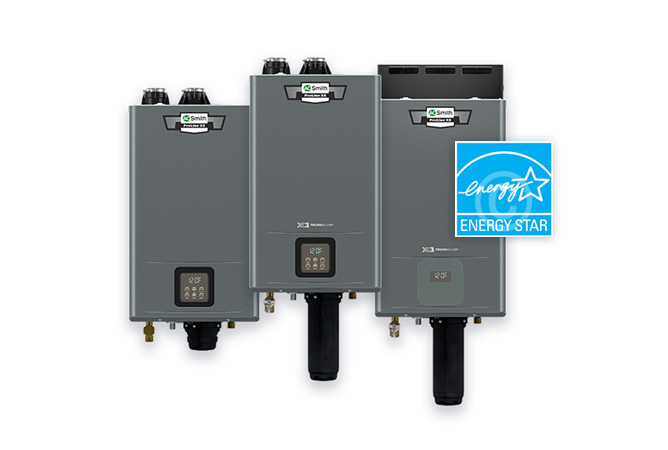
Gas tankless water heaters don't use much electricity at all. They need power for the electronic controls and ignition system—about as much as running two light bulbs. Your annual electricity cost to power these components runs about $10-20.
The real savings with gas tankless come from your gas bill, not your electric bill. Tankless units heat water on demand instead of maintaining a full tank at temperature constantly as traditional water heaters do. According to the U.S. Department of Energy , gas tankless water heaters can be up to 34% more energy efficient than tank water heaters for homes using less than 41 gallons per day. For households using about 86 gallons daily, they're up to 14% more efficient.
If you're replacing an electric tank water heater with a gas tankless model, your electricity costs will drop because you're switching fuel sources. Water heating often accounts for a big chunk of your electric bill—usually $40-50 per month. With gas tankless, that portion moves to your gas bill instead, though the on-demand heating usually means lower energy costs.
High-efficiency gas tankless models are ENERGY STAR® certified and have an efficiency rating of 0.95 UEF (Uniform Energy Factor). That 0.95 rating means the unit converts 95% of the fuel into hot water with minimal waste. These qualifying models can also make you eligible for federal tax credits up to $600 through December 2025.
Rebates & Tax Credits
Rebate and incentive programs provide savings to consumers for the purchase of water heaters that meet certain energy efficiency standards.

Use A. O. Smith's Qualified Manufacturer (QM) code A5X5 for federal tax return form 5695.

Need Help From A Pro?
A. O. Smith water heaters are professionally installed by local independent contractors.
Electric Tankless Water Heaters and Electricity Savings
Electric tankless water heaters use electric heating elements to heat water instantly as it flows through the unit. Unlike gas models that switch your fuel source, electric tankless units still rely on electricity—they just use it more efficiently than traditional electric tanks.
The savings come from eliminating standby heat loss. Electric tank water heaters constantly work to keep stored water hot, even when nobody's using it. Electric tankless models only heat water when you turn on a faucet, which cuts down on wasted energy.
You can expect an 8-14% reduction in water-heating costs compared to electric tank models. If your current electric tank costs $50 per month to run, an electric tankless might bring that down to about $43-46 per month—a savings of roughly $4-7 monthly or $50-85 annually.
Electric tankless works best for specific situations like point-of-use installations under a kitchen sink or in a small bathroom, or a small accessory dwelling unit. Tankless electric water heaters are not recommended for providing hot water for an entire home. Most homes are not built with sufficient electric capacity at the breaker panel to provide sufficient power to an electric tankless water heater to provide hot water for a full home.
Factors That Affect Your Savings
Your household's hot water usage patterns play a big role in savings. Higher usage means greater potential savings from tankless efficiency. Timing matters too—families who stagger showers throughout the morning see different results than households where everyone showers simultaneously.
Climate and incoming water temperature make a difference. Water heaters work much harder in colder regions, where groundwater might be 40°F in Minnesota compared to 70°F in Florida. Your water heater needs to bridge a bigger temperature gap in cold climates, which affects how much energy it consumes, regardless of type.
Proper sizing affects efficiency and savings. Undersized tankless units run constantly, trying to keep up with demand, which reduces efficiency. Oversized units waste capacity since you're paying for heating power you don't need.
Water quality and maintenance affect how well your tankless water heater performs over time. Hard water with high mineral content can cause scale buildup in the unit, reducing efficiency. Traditional tankless models need annual flushing and descaling maintenance that can cost $200 or more each year. Newer models with X3® Scale Prevention Technology skip this flushing and descaling and include a 15-year warranty that covers scale-related failures. You maintain peak efficiency without the annual hassle or expense.
Local utility rates determine your actual dollar savings. What your utility company charges per kilowatt-hour for electricity and per unit for gas directly affects whether your monthly bill goes up or down and by how much..
Making the Right Choice for Your Situation
Electricity savings are just one piece of the decision. Your current water heater type and age matter. So do your household's hot water usage patterns, and whether multiple people need hot water at the same time. Access to natural gas or propane lines opens up the more efficient gas tankless option.
Local utility rates for both electricity and gas affect your actual monthly savings. Professional sizing tools can help you understand the real-world impact for your specific situation and take the guesswork out of the decision.
Interactive sizing tools show you expected performance and costs based on your household's actual hot water habits. A. O. Smith's XPERT Residential Water Heater Selector asks about shower habits, usage patterns, and home specifications to recommend the right model for your needs. Local certified contractors can assess your home's hot water requirements, explain installation requirements for different systems, and provide accurate cost estimates.

Not sure which product is right for you?
A. O. Smith: Trusted Water Heating Expertise
For over 85 years, A. O. Smith has been providing reliable water heating solutions to American homes and businesses. Our products are manufactured at the world's largest water heater factory in Tennessee, where we combine proven reliability with advanced technology to deliver hot water you can count on.
We offer a complete line of water heating solutions, from traditional tank models to advanced tankless and heat pump systems. Whether you need a gas tankless water heater with X3® Scale Prevention Technology or an electric tankless model for point-of-use applications, A. O. Smith has options designed for your home's specific needs.
Frequently Asked Questions
Switching from an electric tank to a gas tankless offers the biggest electricity savings since you're essentially removing water heating from your electric bill. Many families see their electric bills drop by $40-50 monthly, with a smaller gas cost added. The switch makes the most sense if you already have natural gas or propane access and your electric tank is nearing the end of its lifespan.
Tankless water heaters last 20+ years with proper maintenance, compared to 10-15 years for traditional tank models. The longer lifespan helps offset the higher upfront cost. Some tankless models with integrated scale prevention technology require less maintenance than traditional tankless units, which need annual descaling in areas with hard water.
The payback period depends on what you're replacing and your household's hot water usage. Replacing an old electric tank with a gas tankless model offers the fastest payback—sometimes 5-7 years—due to significant electricity savings. Replacing an electric tank with an electric tankless also provides solid returns, particularly for smaller households or point-of-use applications where the lower installation costs and consistent 8-14% energy savings add up over the unit's 20+ year lifespan. Federal tax credits up to $600 for qualifying gas tankless models can shorten the payback period even further.