.jpg "Grandma baking with grandkids")
Does a Gas Tankless Water Heater Need Electricity?
If you're shopping for a gas tankless water heater, you may wonder whether it needs to be plugged in. After all, it's a gas appliance, right? Yes, these units do need electricity—but not to heat your water.
Gas tankless water heaters require a small amount of power to run the electronic ignition, control board, display, and safety systems. Think of it like your gas furnace or a gas stove: they burn gas for heat, but still need electricity to spark the burner and control operation.
The cost of gas tankless water heaters pays off over time through lower energy bills and the convenience of endless hot water.
How Gas Tankless Water Heaters Use Electricity

Gas tankless water heaters use gas and electricity. Gas heats the water, while electricity controls the process. The electrical parts ignite the flame, track water temperature, vent the exhaust, and run the safety systems.
Electronic Ignition: The Spark That Starts Your Hot Water
The electronic ignition system is what starts your gas tankless water heater. When you turn on a hot water tap, the control board detects the flow and tells the ignition system to create a spark to ignite the burner. This doesn't take long, so you get hot water very quickly. Older water heaters used pilot lights that burned gas around the clock, even when you weren't using hot water. Electronic ignition only fires when needed, which saves energy and reduces your utility bills. The system uses less power than a standard light bulb.
Control Board and Safety Sensors
Your gas tankless water heater has a control board that manages the entire heating process. The control board reads incoming water temperature and adjusts the gas flow to hit your target temperature. Digital sensors track water flow rate, temperature, and pressure, sending constant updates to the control board. This system keeps your hot water at a steady temperature. A display also shows error codes when an issue occurs, allowing you to identify problems quickly.
Blowers and Safety Systems That Keep You Protected
Many gas tankless water heaters have electric blowers that pull in fresh air and push exhaust gases outside. This keeps harmful fumes out of your home. Safety sensors need electricity too. These sensors watch for overheating, flame failure, or blocked vents. When they detect an issue, the control board shuts down the unit.

Water Heater Selector Quiz


Need Help From A Pro?
A. O. Smith water heaters are professionally installed by local independent contractors.
Power Consumption: What to Expect

The good news? Gas tankless water heaters use very little electricity compared to other appliances. Here's how much power they need and what to do when the lights go out.
Startup vs. Running: When Your Unit Uses the Most Power
When your gas tankless water heater first fires up, it uses about 100-150 watts for a few seconds. That's when everything starts—the ignition sparks, the controls turn on, and the blower kicks in. After that, it uses only 60-100 watts while running. Your unit only burns gas when hot water is flowing.
How This Compares to Other Water Heaters
Gas storage water heaters may also need electricity for their control systems if equipped with electronic ignitions. Both types use similar amounts of power for electrical components—the main difference is in how they heat water. Tank water heaters keep a reserve of hot water ready at all times, which works well for households with predictable usage patterns. Gas tankless water heaters heat water on demand as you use it, which can cut down on gas use in some homes.
What Happens During a Power Outage
Gas tankless water heaters need electricity to run, so they stop working during power outages. This is true for most water heaters used today, including newer gas tank models with electronic ignition. If power outages are common in your area, battery backup systems are available for tankless water heaters to keep them running when the power goes out.
Installing Your Electrical Connection Safely
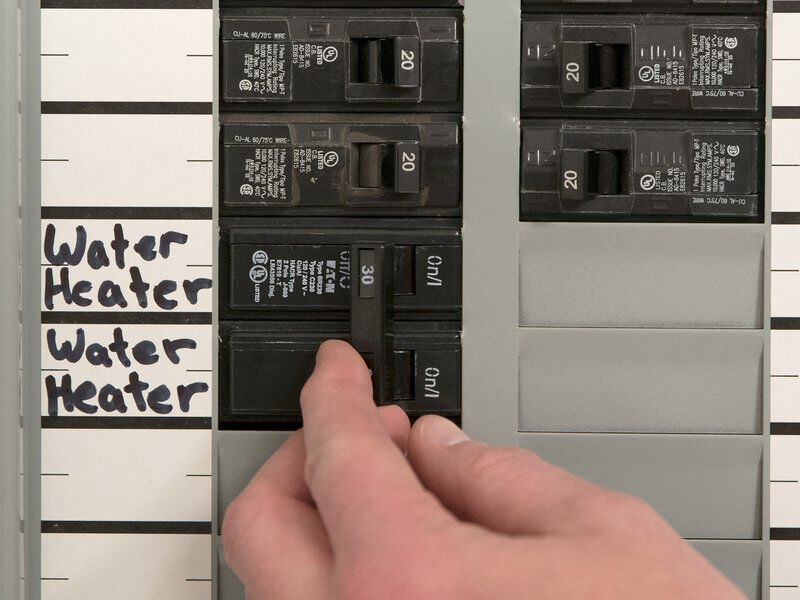
Gas tankless water heaters should be plugged into a 120VAC, 60Hz grounded electrical outlet. The installation must follow the electrical code requirements of the local authority having jurisdiction. In the absence of such requirements, follow the current edition of the National Electrical Code, ANSI/NFPA 70, in the U.S., or the current edition of CSA C22.1, Canadian Electrical Code Part 1, in Canada.
Getting Professional Help
Getting Professional Help
A licensed professional should handle the electrical labor for a gas tankless water heater. Gas appliances involve multiple systems—water, gas, and electricity—that need to work together safely. Incorrect wiring can damage the unit and void your warranty.
Find a certified plumber near you .
Reading Error Codes on Your Display
When something goes wrong, your display shows error codes to help identify the problem:
- No Power or Blank Display: Check your circuit breaker and GFCI outlet. Reset if needed. If it continues to trip, call an electrician.
- Ignition Failure: This usually points to a weak or unstable power supply. Check that electrical connections are secure.
- Blower Errors: The exhaust blower motor may need to be replaced.
Your owner's manual lists all error codes and explains whether you can fix the issue yourself or call for service.
Rebates & Tax Credits
Rebate and incentive programs provide savings to consumers for the purchase of water heaters that meet certain energy efficiency standards.
Use A. O. Smith's Qualified Manufacturer (QM) code A5X5 for federal tax return form 5695.

Need Help From A Pro?
A. O. Smith water heaters are professionally installed by local independent contractors.
Choose A. O. Smith for Your Home
A. O. Smith builds ENERGY STAR® certified gas tankless water heaters designed for reliable, efficient performance. Our ADAPT® family features X3® Scale Prevention Technology built right into the unit—no replacement cartridges, no ongoing maintenance hassles. We back every ADAPT® model with a 15-year warranty that covers scale-related failures, giving you true peace of mind. Not sure which model fits your home? Use our sizing selector to find the right capacity, or connect with a certified A. O. Smith installer near you.
Frequently Asked Questions
No, your gas tankless water heater will not work without electricity, even though it uses gas to heat the water. The electrical parts: the electronic ignition, control board, and safety sensors, are necessary for the unit to operate safely and efficiently.
Yes, gas tankless water heaters need to be plugged in or hardwired to a dedicated electrical circuit. While they use natural gas or propane as their primary fuel source for heating water, they require electricity to power the ignition system, digital controls, and safety mechanisms that regulate operation.
Gas tankless water heaters use standard 120-volt household power. They use very little electricity compared to other appliances, drawing 100-150 watts at startup and 60-100 watts while running. This small amount of power runs the controls, ignition, and safety features. The gas does all the water heating.
Yes, gas tankless water heaters need electricity to work. They use gas to heat the water, but electricity runs the ignition, control board, safety sensors, and blower motor. Without electricity, the unit can't start up or heat water safely.