)_tankless.jpg "range of tankless water heaters")
Tankless Water Heaters: How Do They Work?
Table of Contents
- What's a Tankless Water Heater?
- Difference Between Tankless Electric and Tankless Gas
- How Do Tankless Water Heaters Work?
- Advantages & Disadvantages of Tankless Water Heaters
- How to Choose the Right Water Heater for Your Needs
- Problems With Your Tankless Water Heater
- Learn More About Tankless Water Heaters
Tankless water heaters heat water only when you turn on a tap—no storage tank required. These compact units use gas burners or electric heating elements to warm water as it flows through, giving you hot water on demand without the need to keep a tank hot 24/7. When you open a faucet, cold water enters the unit, passes over the heating element or through a heat exchanger, and exits hot seconds later.
Modern home appliances have seen significant innovation over the years, and tankless water heaters are a prime example. But just how do tankless water heaters work? Built with residential water heating needs in mind, they combine efficiency with a space-saving design that makes them simple to place, install, and deploy in smaller areas. Their on-demand engineering eliminates the need for bulky storage tanks, providing hot water instantly when you need it via advanced heating components and programming.
Read on to learn all about how these modern marvels work, how they compare to traditional water heaters, and the pros and cons of using a tankless water heater in your home.
Need professional installation for your new tankless water heater? Find a certified plumber near you .
What's a Tankless Water Heater?
Also known as an on-demand water heater, tankless water heaters revolutionize hot water delivery by heating water instantly as it flows through the unit. Unlike traditional water heaters, tankless systems have no storage tank, so they don't have to reheat between showers, baths or use of household appliances.
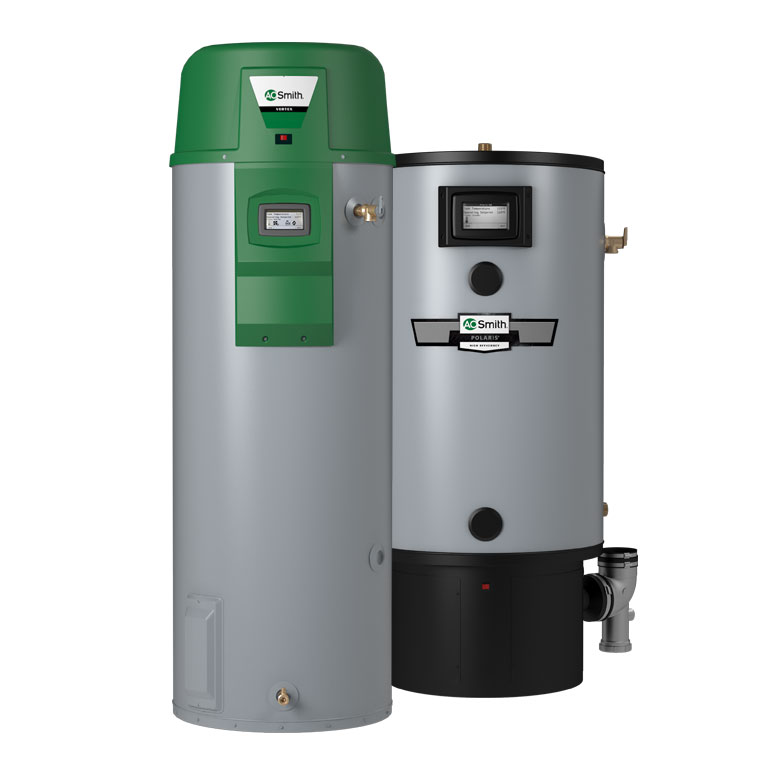
Traditional Water Heaters
Built to store hot water in a tank, traditional water heaters typically have tanks sized 20 to 80 gallons, making them appropriate for small and large homes alike. These tanks heat and maintain stored water continuously, so it's always ready when you turn on your hot water tap or operate appliances with direct water heater hookups. Without proper insulation around the tank, however, the potential for heat loss through the tank's walls exists, which may lead to increased consumption of electricity or gas.
Likewise, once you deplete the hot water tank, you may experience considerable delays before you have hot water flowing freely again. This wait time occurs because the tank reheats the water to the temperature you have set, making traditional water heaters potentially inconvenient if you use lots of hot water during certain periods or have a larger household.
Compare gas tankless water heater models to find one that matches your household's flow rate needs.
Tankless Water Heaters
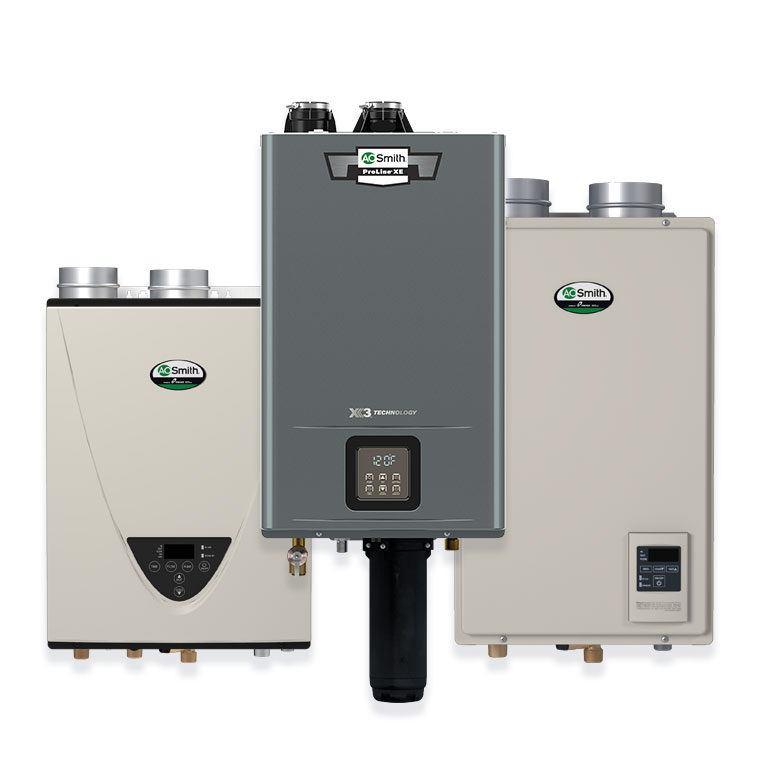
In contrast to traditional systems, tankless water heaters don't rely on storage tanks to deliver hot water to your home. Rather, these units heat water on demand by passing it through a chamber and making contact with the heating element in an electric tankless water heater, and heating water through a heat exchanger in a gas tankless water heater. The on-demand nature of the water heating tankless units means you don't need a large tank to provide the same amount of hot water, so you don't need as large a space for water heater installation. The space-saving nature of the design makes tankless water heaters eminently well-suited to virtually any size dwelling that needs all the extra space they can get for household storage.
No storage tank means you avoid heat loss through tank walls. Gas tankless water heaters are efficient because they only heat water when it flows through the system. These units require electricity for ignition and controls, but the heating is generated by the gas burner itself.
Differences Between Gas and Electric Water Heaters
Electric tankless water heaters use heating elements to warm water. Gas models use a burner and a heat exchanger. Each has its advantages, depending on your home's existing utilities, household size, and hot water needs.
Electric Tankless Water Heaters
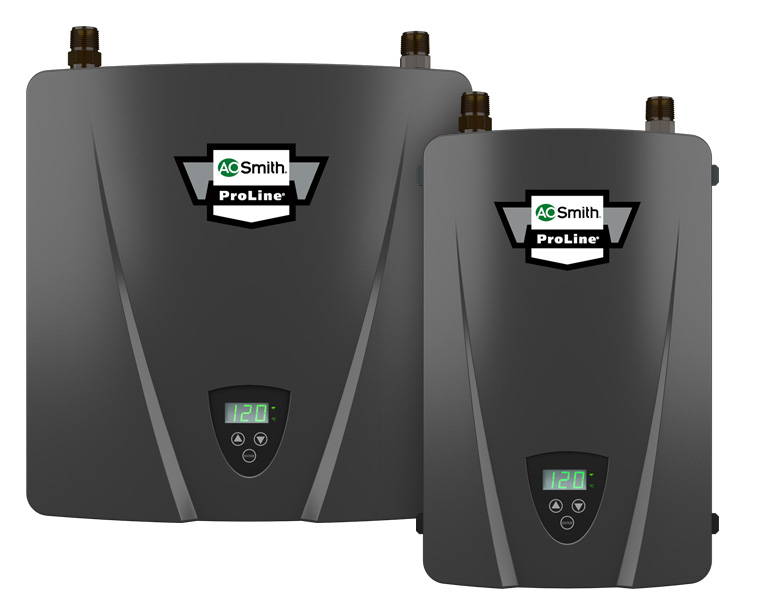
These water heaters use one or more electrical heating elements to heat water as it flows through. They typically cost less upfront and are easier to install than gas models, making them a good choice if your home doesn't already have gas service. Since they use electricity instead of burning fuel, electric models don't require venting—they are mounted on a wall with an electrical connection.
Learn more about electric tankless water heaters and their need for electricity.
What Happens Inside an Electric Tankless Water Heater
Turn on a hot water tap and here's what happens: Cold water flows into the unit, where a temperature sensor detects the movement and signals the control board. The control board activates electric heating elements—copper or stainless steel coils similar to the elements in your oven. Water passes over these heating elements and heats up as it moves through the heat exchanger chamber.
Temperature sensors monitor the water and adjust element power to maintain your set temperature. Hot water exits to your fixture. When you close the tap, the flow sensor tells the unit to shut off.
The whole process takes seconds. Here's why that matters: a tank water heater keeps 40 to 50 gallons of water hot continuously, cycling on and off to maintain the temperature even when no one is using water. An electric tankless unit only runs when a tap is opened. No energy is spent maintaining temperature overnight. No reheating water that's been sitting unused.


What Affects Electric Tankless Water Heater Performance
Three things affect how much hot water your electric tankless unit can deliver:
- Incoming Water Temperature: Your starting water temperature makes a big difference. Cold water at 40°F (common in northern winters) needs an 80-degree temperature rise to reach 120°F. If your incoming water starts at 70°F, that same unit heats more gallons per minute since it only needs a 50-degree rise. This is why the same model performs differently in Minnesota versus Florida.
- Simultaneous Hot Water Use: The electric tankless capacity is measured in gallons per minute (GPM)—the amount of hot water the unit can deliver while maintaining your set temperature. Showers use the most hot water, followed by washing machines, dishwashers, and kitchen sinks. Bathroom sinks use the least.
- Available Electrical Power: Electric tankless units pull a lot of power. Whole-home models require dedicated high-amperage circuits—often more than older homes have without an electrical panel upgrade.
Gas Tankless Water Heaters
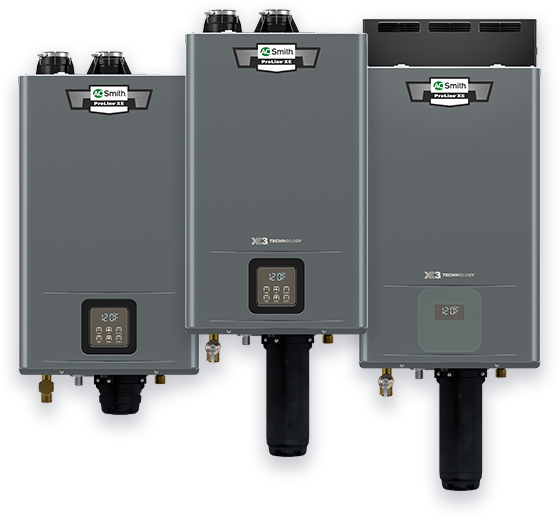
Gas tankless water heaters use natural gas or propane to heat water as it passes through. A gas burner ignites and heats water as it flows over a heat exchanger on demand. Gas models heat more gallons per minute than electric units, making them a better fit for larger households or homes with existing gas service. They cost more upfront than electric models.
How Gas Tankless Water Heaters Heat Your Water
Here's the step-by-step process:
Activating the Gas Burner: When a flow sensor detects water movement from an open tap, it ignites the gas burner. The burner heats the heat exchanger.
Circulating Water in the Unit: Water flows around the heat exchanger, absorbing heat from the burner. This process heats water quickly to a uniform temperature.
Delivering Heated Water: When the water reaches the right temperature, it exits through the pipes and out the tap. You get hot water on demand for your fixtures and appliances with no wait time.
Installation & Maintenance Requirements For Tankless Gas Water Heaters
Installing a tankless gas water heater isn't something you can tackle on your own. A licensed professional handles the gas lines, venting, and sizing to match your home's hot water needs. Here's what goes into keeping these systems safe and running well:
- Venting: These units need proper venting to push combustion gases outside safely.
- Gas Line: The gas supply line has to be sized correctly so the burner gets enough fuel during operation.
- Annual Maintenance: Yearly service keeps things running smoothly. A technician will clean the air and water filters to maintain efficiency and help your unit last longer.
- Scale Prevention: Hard water can cause mineral buildup inside the heat exchanger. Water softeners help, or you can choose an A.O. Smith ADAPT® tankless water heater with X3® Scale Prevention Technology. These models eliminate the need for descaling entirely, saving you time and ongoing maintenance costs.
- Building Codes: Professional installers make sure everything meets local codes for safe placement and venting.
The Step-by-Step Process: From Cold Water to Hot Water
When you turn on a hot water faucet, cold water enters the tankless water heater, triggering a precise heating sequence. Here's what happens inside the unit:
- Flow Sensor Activation: The sensor detects moving water and measures how much is flowing through. Electric tankless water heaters use temperature sensors instead of a flow sensor, like a gas tankless.
- BTU Calculation: The control system calculates the required heating output based on your incoming groundwater temperature (around 50°F in winter, 70°F in summer) and your desired hot water temperature.
- Heating Method Activation: The system fires up either the gas burner or electric heating elements, depending on your unit type.
- Heat Transfer: Water flows through the heat exchanger, where it absorbs heat and reaches your set temperature in seconds.
- Hot Water Delivery: Heated water exits to your faucet or appliance, and the heating process continues as long as water flows through the system.
Water Flow Detection and System Activation
Flow sensors act as the on/off switch for your gas tankless water heater. When you turn on a faucet, the sensor detects water moving through the system and immediately signals the unit to start heating. Turn off the faucet, and the sensor tells the unit to shut down. This on-demand operation means the unit heats water only when it is in use.
These sensors can detect even small amounts of water flow, so the system activates whether you're filling a bathtub or just washing your hands. The sensor also alerts the control system of the water flow rate, which determines the amount of heating power to use.
Running the shower and dishwasher at the same time? The unit ramps up to full power. Just rinsing a dish? It uses less energy to match the lower demand. This automatic adjustment maintains a consistent water temperature while optimizing energy use to match your hot water demand.
Heating Elements and BTU Requirements
Sizing a tankless water heater depends on how cold your incoming water is and how much hot water you use at once:
- BTU and Wattage Basics: Gas tankless water heaters measure heating power in BTU, ranging from 120,000 to 200,000 BTU. Electric models use watts, typically 15,000 to 36,000 watts. Higher numbers mean faster heating.
- Groundwater Temperature: In Minnesota, water enters your home around 40°F in winter. In Arizona, it might be 65°F. Colder climates need units with higher heating capacity to warm the water to 120°F.
- Temperature Rise: This is the gap between your incoming water temperature and your desired hot water temperature. A larger temperature rise requires more heating power.
- Flow Rate Demand: One shower uses about 2.5 gallons per minute. Two showers at once need 5 gallons per minute. Add a running dishwasher and you're at 6.5 gallons per minute. Your unit must handle peak usage times like weekday mornings.
- Staged Heating in Electric Models: Heating elements activate as needed. Washing hands turns on one element. A hot shower activates several. This maintains a steady temperature without drawing full power for every task.
- Right-sizing Your Unit: An undersized unit leaves someone with lukewarm water in the middle of a shower. An oversized unit costs more upfront and cycles on and off unnecessarily.
Advantages & Disadvantages (Pros & Cons) of Tankless Water Heaters
Tankless water heaters work well for some homes but not others. If you already have a gas line, installing a gas tankless unit is easier. If your home runs on electricity only, an electric model means you won't need to add gas service. But infrastructure is just one piece of the puzzle.
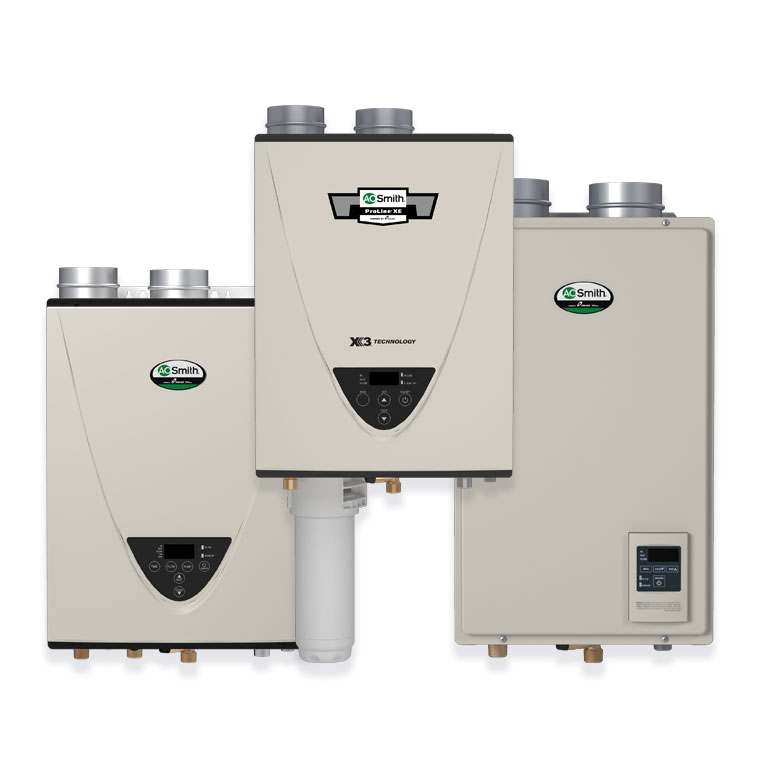
Advantages of Tankless Water Heaters
Transitioning from a traditional tank water heater to a tankless unit confers several key benefits that can help you save money and make your home more eco-friendly.
Enhanced Efficiency
You heat water only when you turn on a tap. No energy goes to keeping a full tank hot all day and night. Eliminating the need to store and continuously heat a large water tank also reduces energy demands within your home, potentially decreasing electricity or natural gas costs. This lowered consumption also makes your home more eco-friendly because you're not using all that energy to store and heat water all the time.
Space-Saving Design
No tank to heat water and store it doesn't just reduce energy consumption—it also saves valuable space within your home. These compact units mount on your wall, tuck away in a closet, or fit in other out-of-the-way areas where large tanks can't go. The space-saving design makes tankless water heaters a good fit for smaller homes and apartments where every square foot counts.
Longer Lifespans
Another benefit of tankless water heaters is that they usually have a longer lifespan than traditional units. While tank water heaters may provide 10 to 15 years of service, many tankless options ensure 20-plus years of use when properly maintained. This longer service life, when combined with other cost-saving benefits, may add to decreased water heating costs over the long term, even if tankless units have higher upfront price tags.
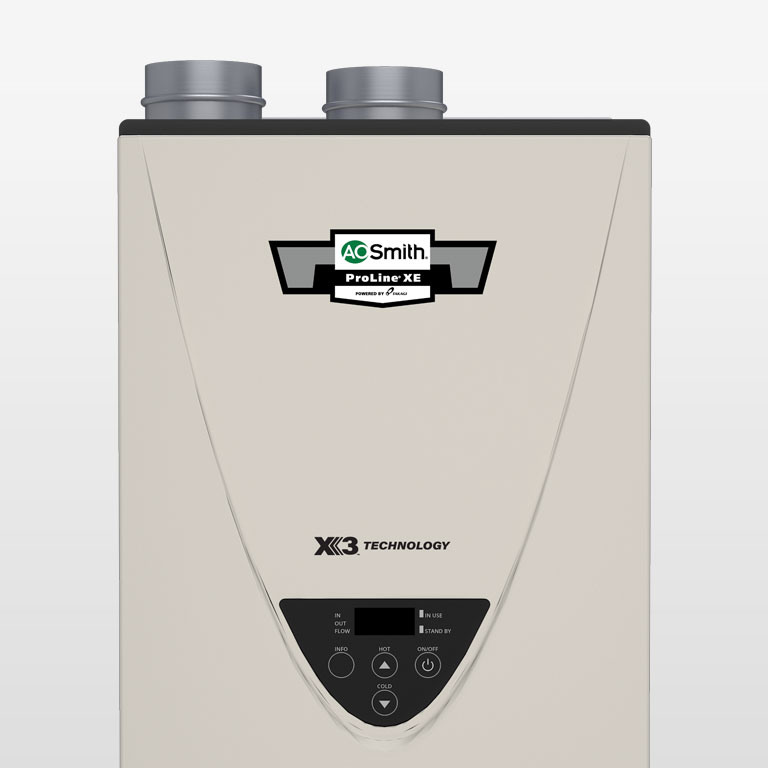
Disadvantages of Tankless Water Heaters
Tankless water heaters have clear benefits, but they also have some drawbacks worth considering before you choose a unit. Understand these limitations before you invest in a tankless unit, in case a traditional water heater may be more of what you need.
Simultaneous Usage Issues
While tankless water heaters deliver on-demand hot water, they're typically more effective when delivering it to a single place. If you're showering while the washing machine runs, the unit can't heat enough water for both. One fixture gets lukewarm water instead of hot. But, by calculating your GPM (gallons per minute) and purchasing the right BTU, you won’t come into this problem.
Special Installation Requirements
Electric tankless water heaters require specific electrical setups that may require professional installation. Large dedicated circuits for these models work best because they have a high power demand when they're heating water in real-time for your showers, sinks, and appliances. This requirement may add up to extra costs, especially in older homes that need an electrical upgrade anyway.
Higher Upfront Costs
Tankless water heaters cost more upfront than tank models. Some homes need electrical upgrades or gas line work for installation, adding to the upfront price. It is best to go with the power option that your home is already suited for to avoid those extra costs.
How to Choose the Right Water Heater for Your Needs
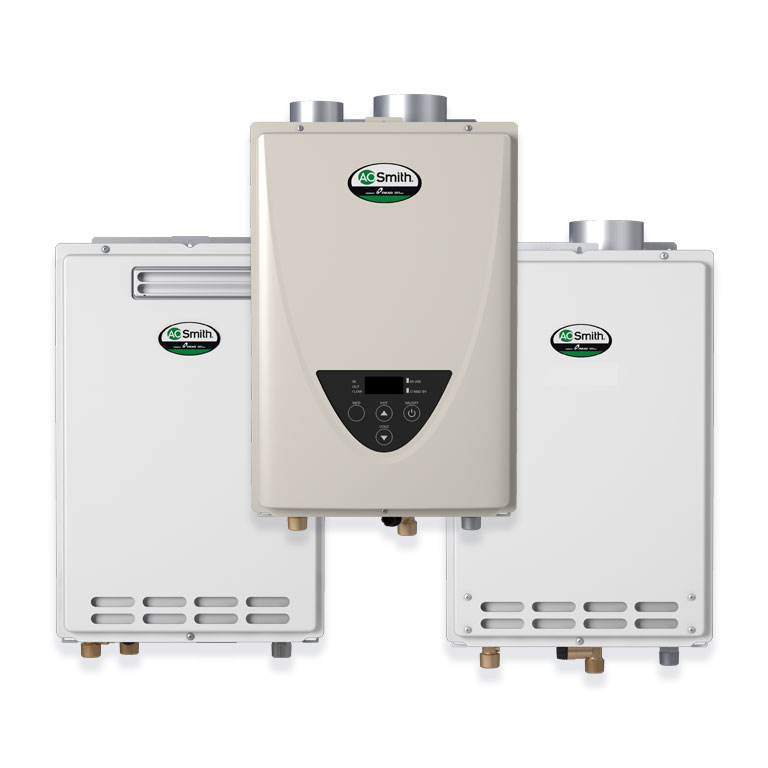
The right water heater depends on how many people live in your home and whether you run multiple showers, appliances, and faucets at the same time. Fortunately, A. O. Smith's water heater selector tool helps you determine the right appliance for your needs, and we offer excellent support services when you need to talk to a representative about what's the best choice for your household.
Problems With Your Tankless Water Heater
If you're encountering issues with your tankless water heater, A. O. Smith can help with support resources that help you troubleshoot problems. Our representatives are always at the ready when you need them as well, giving you quick answers to pressing questions and helping you navigate the repair or replacement process.
Learn More About Tankless Water Heaters
Tankless water heaters deliver on-demand hot water in a compact design that fits in tight spaces, such as closets or utility rooms, or can be mounted on walls. With that in mind, learn more about what may work best for you by exploring the ins-and-outs of gas and electric tankless water heater designs.
Gas Tankless Water Heaters
Although gas tankless water heaters may have a higher upfront cost, they make a great choice for larger households. They provide on-demand hot water in an energy-efficient way, helping save money on energy costs down the road.
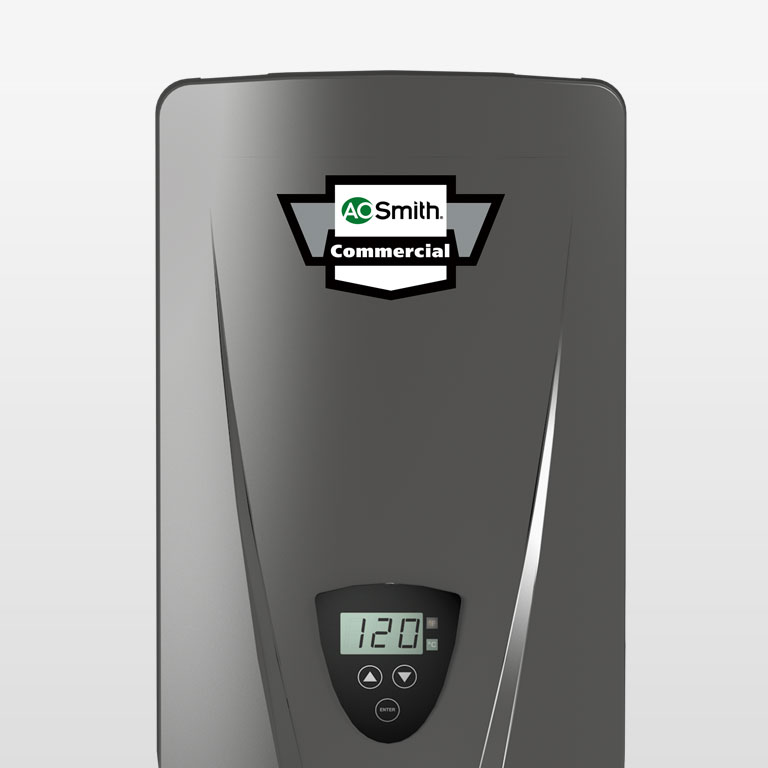
Electric Tankless Water Heaters
When you want lower initial costs paired with energy efficiency, electric tankless water heaters may be your best bet. These units offer easy installation without the need for gas lines or ventilation, making them a cost-effective water heating solution.
Frequently Asked Questions
Tankless water heaters have higher upfront costs and may require special installation like dedicated electrical circuits or professional gas line work. They struggle to supply multiple fixtures simultaneously—if someone showers while another person runs the dishwasher, the unit may fail to provide adequate hot water to both. Electric models need strong dedicated circuits for high power demands, while gas models require proper venting. These limitations make tankless heaters less ideal for larger households with high simultaneous usage.
Yes, you can replace a 40-gallon water heater with a tankless model, but proper sizing is critical. Tankless units are sized by flow rate in gallons per minute based on simultaneous usage, not gallon capacity. Calculate how many fixtures you use at once to determine the required flow rate. A properly sized tankless unit provides continuous hot water, though you may need professional help ensuring adequate electrical or gas infrastructure.
Your shower gets cold when the tankless unit struggles to supply multiple fixtures simultaneously. If someone showers while another person uses the washing machine or dishwasher, the heater may fail to deliver adequate hot water to all fixtures at once. Tankless units heat water on demand as it flows through, and simultaneous usage can exceed heating capacity. Consider staggering hot water usage or upgrading to a higher-capacity model.
No, you don't run out of hot water with a tankless heater like you do with traditional tanks. Tankless units provide continuous on-demand hot water as long as you don't exceed their flow rate capacity. However, they may struggle when multiple fixtures operate simultaneously—like running a shower and dishwasher at the same time. The unit provides endless hot water for single-point use but has limitations with simultaneous usage across multiple fixtures.