.jpg "range of tankless water heaters")
How to Tell If Water Heater Is Gas or Electric
You can identify your water heater type in under 2 minutes by looking for a few telltale features. Gas water heaters have a vent pipe, gas line, and burner access at the bottom. Electric water heaters have an electrical connection on top, no venting, and operate silently.
Knowing your water heater type helps in a few ways. If your water heater fails and you need a quick replacement, you can tell the contractor exactly what you have and get an accurate quote. Gas and electric water heaters cost different amounts to run each month, need different installation work, and have their own maintenance needs. Understanding which type you have now helps you decide whether to stick with it or explore other options.
Gas and electric are the two most common residential water heater types in American homes, though newer options like heat pump technology are becoming more popular.
Quick Visual Identification Guide
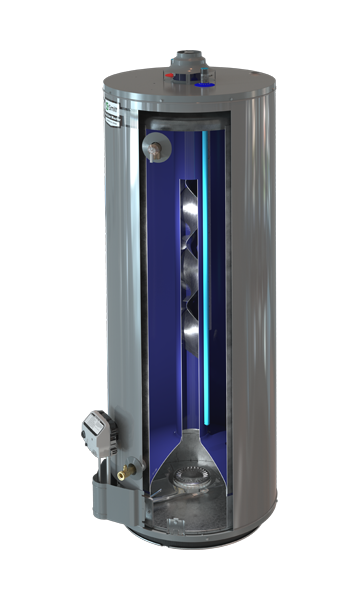
Gas Water Heaters
The easiest way to spot a gas water heater is the metal vent pipe coming out of the top. This flue pipe carries combustion gases outside, usually through your roof or an exterior wall. No other water heater type has this feature.
Look down at the bottom of the unit and you'll see a gas supply line—typically copper tubing or a flexible connector about half an inch wide—running from your wall or floor into the water heater. Right where it connects, there's a gas control valve with a temperature dial and settings marked on/off/pilot.
At the base, there's usually a small access panel or door covering the burner assembly. Some models have a little viewing window where you can see the pilot flame, though newer units might use electronic ignition instead.
Gas water heaters aren't silent. You'll hear a whooshing sound when the burner fires up, followed by a low rumble while it's heating water.
How Gas Tankless Water Heaters Save Energy
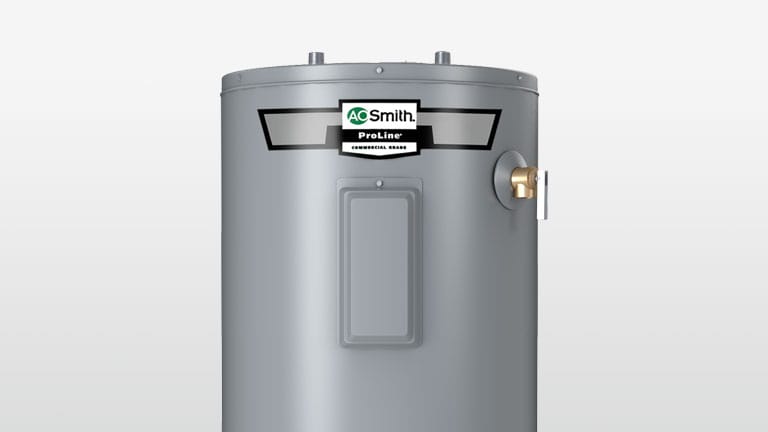
Electric Water Heaters
Electric water heaters have a much cleaner look at the top—no vent pipe, just a smooth surface with an electrical conduit or thick cable entering the unit. That electrical connection is usually protected by metal or plastic conduit.
Walk around the unit and you'll only see water pipes. There's a cold water inlet and hot water outlet, but no gas line anywhere. The sides typically have two rectangular access panels—one near the top and one near the bottom—that cover the heating elements and thermostats.
Check your home's electrical panel and you should find a dedicated circuit breaker for the water heater, usually a double-pole 30-amp breaker.
The biggest difference is electric water heaters are completely silent.
What If You Have Something Different?
Hybrid Electric Heat Pump Water Heaters
These units look similar to standard electric water heaters but are noticeably taller with a fan unit and heat exchanger on top. They work differently than traditional electric models by pulling heat from the surrounding air to warm your water, using less electricity than standard electric water heaters.
Heat pump water heaters are available in 50, 66, and 80-gallon capacities and typically carry ENERGY STAR® certification. They qualify for federal tax credits up to $2,000 through December 31, 2025. These units need at least 450 cubic feet of air space to operate efficiently and work best in basements or garages.
Tankless Water Heaters
Tankless units are much smaller than tank models and mount directly on the wall. They heat water on demand rather than storing it, and do not need to reheat . This provides continuous hot water when properly sized for your household's needs.
Tankless water heaters come in both gas and electric versions. Gas tankless models have a gas line connection and require a vent system, though the venting is different from tank models. Electric tankless units only need electrical connections with no venting required.
Many ENERGY STAR® certified condensing gas tankless models are available that can reduce water heating costs. Installation flexibility varies depending on your home's existing gas lines and electrical service.
Why Knowing Your Water Heater Type Matters
Most water heaters last 8-12 years before needing replacement. Knowing whether you have gas or electric helps you budget appropriately and understand your options. Gas and electric systems have different installation requirements, which affect both timeline and cost.
Your water heater type determines which sizing calculations apply. Gas water heaters are sized based on recovery rate and tank capacity. Electric models focus more heavily on first-hour rating. Understanding your current fuel type helps you use the right sizing tools.
You'll also find the data plate on your water heater—usually on the side or front—which lists the model number, capacity, and manufacture date. This information helps contractors provide accurate quotes and ensures you get the right replacement.
Rebates & Tax Credits
Rebate and incentive programs provide savings to consumers for the purchase of water heaters that meet certain energy efficiency standards.

Use A. O. Smith's Qualified Manufacturer (QM) code A5X5 for federal tax return form 5695.

Need Help From A Pro?
A. O. Smith water heaters are professionally installed by local independent contractors.
Key Differences Between Gas and Electric

Installation Requirements
Gas water heaters need proper venting to carry combustion gases outside safely. They also require an existing gas line or new gas line installation. Ventilation clearances around the unit and vent pipes must meet local building codes.
Electric water heaters require adequate electrical service, typically 240 volts with a dedicated circuit breaker. They don't need venting, which gives them more installation flexibility. Both types need proper space and access for maintenance.
Space and Location
Gas water heaters have location limitations based on venting requirements. They can't be installed in closets without proper ventilation, and the vent pipe path affects where they can go.
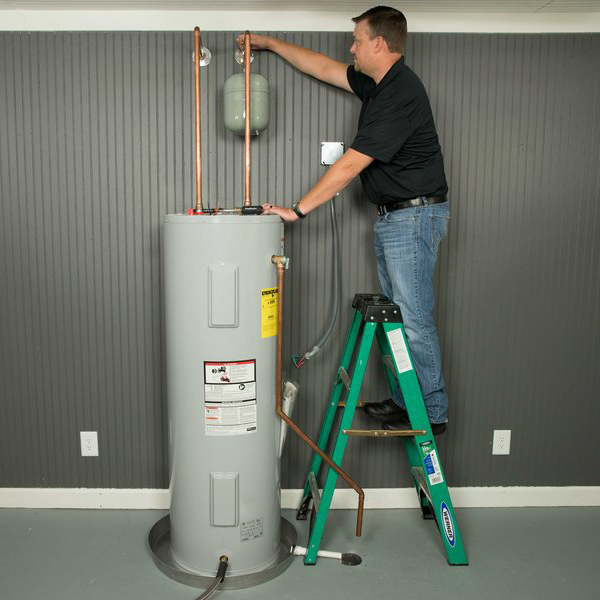
Electric water heaters can be installed almost anywhere with electrical access and proper clearances. They work well in closets, utility rooms, basements, or garages without the ventilation constraints that gas models have.
A. O. Smith offers sizing selectors and works with a network of certified contractors who can help you choose and install the right water heater for your home.
A. O. Smith: Trusted Water Heating Solutions
A. O. Smith has been making water heaters for over 85 years. We manufacture everything from traditional gas and electric tank models to newer heat pump and tankless systems at facilities across North America, including the world's largest water heater factory in Tennessee.
Our XPERT sizing selector can help you find the right replacement for your home, and we work with certified local contractors who install and service A. O. Smith water heaters nationwide.
Frequently Asked Questions
Look for a data plate or label on the side or front of your water heater. This plate lists the model number, serial number, tank capacity, energy factor, and manufacture date. You'll need this information when talking with contractors about replacement or when ordering parts.
Both gas and electric tank water heaters typically last 8-12 years with proper maintenance. The lifespan depends on water quality, usage patterns, and maintenance. Hard water can shorten a water heater's life by causing mineral buildup. Regular maintenance like flushing the tank annually can help both types last longer.
Standard homeowner's insurance typically doesn't cover water heater replacement due to normal wear and tear or age. However, if your water heater fails and causes water damage to your home, the resulting damage might be covered depending on your policy. Check with your insurance provider about your specific coverage.